



The Role of Luck in Games of Chance
When one steps into a casino, the atmosphere is charged with excitement and anticipation, largely driven by the element of luck. In games of chance, such as slots, roulette, and craps, luck is the primary factor that determines outcomes. Players rely on fortuity to guide their bets and decisions, as these games are designed to be unpredictable. Unlike skill-based games like poker, where strategy plays a substantial role, the randomness of chance-based games highlights the volatility and thrill that luck amplifies. Many players are drawn to the best australian online pokies for their engaging gameplay and the potential for significant wins. The very nature of these games captures the essence of gambling, where each spin or roll could lead to a life-changing win or a disappointing loss.
Luck serves as both a mysterious force and a captivating allure in gambling. For many, the feel of spinning a roulette wheel or pulling the lever on a slot machine is a testament to the randomness of luck at play. Each outcome is a gamble, and the excitement lies in the uncertainty. In these moments, players become emotionally invested, experiencing everything from the elation of a big win to the disappointment of a loss. This emotional rollercoaster is what keeps players returning, hoping that luck will fall in their favor next time. The thrill of waiting for the outcome, coupled with the possibility of winning, creates an intoxicating experience that is hard to resist.
Moreover, the influence of luck transcends mere chance; it fosters a sense of community among players. Friends gather around table games, sharing hopes and cheers as they rely on luck to shift in their favor. This creates a shared experience that enhances social interactions, which is an essential aspect of the casino environment. The belief in luck forms a collective mindset that binds players together, making them part of a larger narrative of fortune. In this way, luck not only defines individual experiences but also strengthens bonds among players, creating a vibrant social scene within the casino walls.
The Psychological Impact of Luck on Players
The psychological aspects of luck significantly impact players’ behavior and decision-making. Human beings are drawn to the notion of luck, often attributing wins to their “lucky” choices, such as betting on specific numbers or colors. This phenomenon, known as the ‘illusion of control,’ suggests that players believe they can influence outcomes through their actions. Such beliefs can enhance the excitement of gameplay, as it provides players with a sense of agency within an otherwise uncontrollable environment. This illusion can be empowering, making even the most uncertain situations feel manageable.
This illusion of control can also lead to a phenomenon known as “gamblers fallacy,” where players might believe that past outcomes can influence future results. For instance, if a certain number hasn’t appeared for several spins in roulette, a player might feel it is ‘due’ to hit, driving them to place bets on that number. This misguided belief emphasizes the psychological grip that luck holds on players, illustrating how deeply intertwined luck is with the overall casino experience. It can lead to patterns of behavior that are not necessarily rational but are rooted in the desire to predict or control the unpredictable.
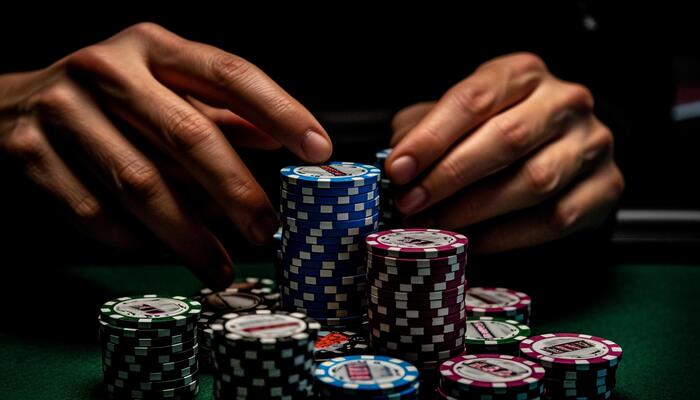
Furthermore, the emotional highs and lows tied to luck can lead to what’s known as ‘loss chasing.’ This occurs when players, after experiencing consecutive losses, continue to gamble, hoping to recover their losses through a stroke of luck. Such behavior underscores the powerful psychological influence that luck has, often compelling players to gamble against their better judgment. This dynamic highlights the need for responsible gambling practices, as the allure of luck can cloud rational decision-making. Understanding these psychological impacts can help players navigate their experiences more wisely and recognize when their relationship with luck may be becoming detrimental.
Luck Versus Skill: Understanding the Balance
In the world of casinos, a constant debate exists regarding the balance between luck and skill. While many games rely heavily on chance, others, like poker and blackjack, incorporate elements of strategy and skill development. However, in strictly luck-based games, the outcomes are determined solely by random events, making luck the definitive factor. For players, this distinction can influence their approach to gameplay, driving them to choose games where they believe skill can enhance their chances of winning. The balance between these two elements can significantly shape a player’s gaming experience.
Casino operators recognize that the balance between luck and skill attracts various types of players. Some individuals thrive on the thrill of waiting for luck to shine, while others focus on mastering strategies to gain an edge. Understanding this dichotomy allows casinos to cater to a diverse audience, providing a mix of gaming options. For example, players drawn to high-stakes poker tables are often more interested in outsmarting opponents than relying on luck, whereas slot machine enthusiasts may savor the unpredictability of luck. This diversity in gaming choices contributes to the overall dynamism of the casino atmosphere.
Ultimately, luck is an integral component that unites all forms of casino gameplay. Even in skill-based games, elements of luck are present, as players may find themselves making strategic decisions based on unexpected outcomes. The coexistence of luck and skill in various formats creates a dynamic gaming landscape, where players navigate their choices and experiences. Therefore, understanding both aspects enhances the overall enjoyment of casino gameplay, while allowing players to appreciate the unpredictability that comes with each bet. This interplay between skill and luck not only enriches the gaming experience but also invites players to engage more deeply with the games they choose.
The Influence of Luck on Casino Culture and Community
Luck significantly shapes the culture and community within casinos, creating an atmosphere imbued with hope and anticipation. Players share stories of lucky wins, passed down through generations, creating a collective narrative that enhances the experience of gambling. The idea of ‘lucky charms’ or rituals, whether it’s a specific seat at the table or a beloved trinket, further illustrates how pivotal luck is in defining personal experiences within the casino context. These elements contribute to a rich tapestry of folklore that surrounds gaming culture, where each player’s journey intertwines with the notion of luck.

Casinos often capitalize on this culture by designing games and promotions that highlight the role of luck. Progressive jackpots, for instance, are based purely on chance, enticing players with the possibility of life-changing wins. Events such as lucky draws or tournaments are another way casinos build community around the shared hope of good fortune. Players socialize and bond over their experiences, finding camaraderie in their pursuit of luck, reinforcing a sense of belonging within the casino environment. This sense of unity can enhance the overall enjoyment of the gaming experience, as players feel they are part of something larger.
Moreover, the celebration of winnings and recognition of lucky moments creates an energizing social dynamic. Players are usually eager to share their victories, and casinos play into this excitement, often allowing winners to share their stories through media outlets or promotional campaigns. This highlights the role of luck not only as a personal experience but as a communal celebration, making it a vital aspect of the overall atmosphere in casinos. The stories of luck, whether they are tales of small wins or life-altering jackpots, form an integral part of the casino narrative, further solidifying the bond between players and the environment they inhabit.
Why Understanding Luck Is Crucial for Responsible Gaming
Understanding the role of luck in casino gameplay is essential for promoting responsible gaming. Recognizing that luck is a predominant factor can help players maintain perspective on their gambling experiences. It’s important to differentiate between realistic expectations and the often romanticized view of gambling, where luck can be misconstrued as a consistent, controllable element. By acknowledging the unpredictable nature of luck, players can cultivate a healthier relationship with gambling. This understanding can lead to more mindful play and an appreciation for the entertainment aspect of gaming.
Informed players are less likely to engage in risky behaviors associated with chasing losses or relying on superstitions. Educating oneself about the odds, house advantages, and the random nature of games can foster a greater understanding of the dynamics at play. This knowledge allows players to make more informed choices, set limits, and approach gaming as a form of entertainment rather than a means of financial gain. Empowering players with this information is key to promoting a balanced approach to gambling.
By fostering an awareness of luck’s role in the gambling experience, casinos can also encourage responsible practices. Offering resources for players regarding the importance of setting limits and recognizing the signals of problem gambling can be pivotal. Ultimately, promoting a balanced view of luck ensures that players enjoy their gaming experiences while staying aware of the inherent risks involved. This commitment to responsible gaming not only protects players but also enhances the overall integrity of the casino environment, ensuring it remains a safe and enjoyable space for all.